Service categories
Genomics & Discovery
Scientific analysis across human, animal, plant and environmental genomics
Platforms & Expertise
Laboratory systems, consulting, training and specialist talent
Not sure where to start? We can scope your project.
Publications, research projects, conservation milestones, and company updates from Embryo.
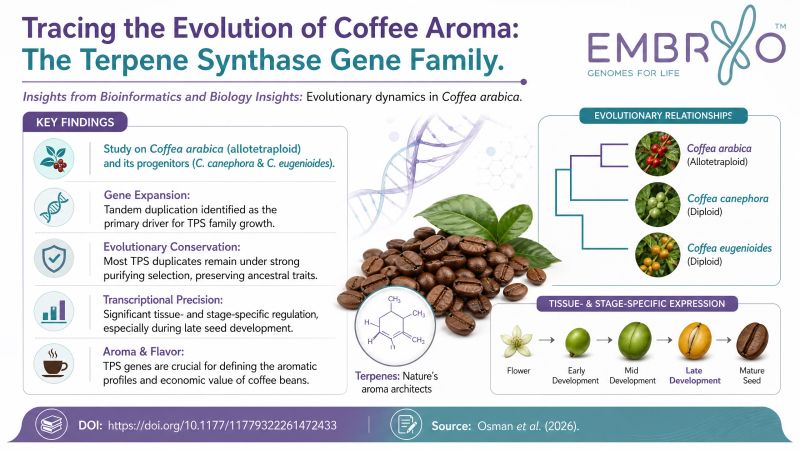
Whole-genome sequencing of Saudi Coffea arabica found variants in 5 of 69 terpene synthase genes; molecular dynamics show natural variation remodels catalytic-site dynamics while the enzyme lid controls how tightly the aroma precursor is held. Published in Scientific Reports.
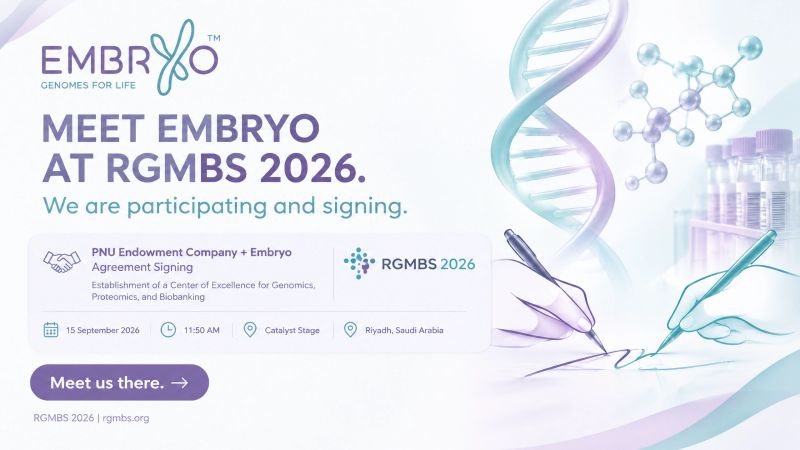
Embryo and the PNU Endowment Company are signing an agreement to establish a Center of Excellence for Genomics, Proteomics and Biobanking — 15 September 2026, 11:50 AM, Catalyst Stage, Riyadh.
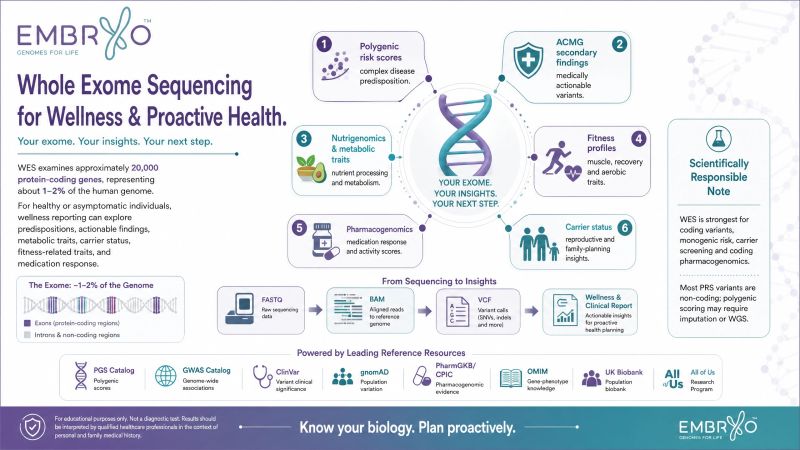
WES reads the roughly 20,000 protein-coding genes where most known disease-associated variants sit. For a healthy person that can mean actionable findings, carrier status, pharmacogenomics, metabolic traits and selected predispositions — a starting point for planning rather than a diagnosis.
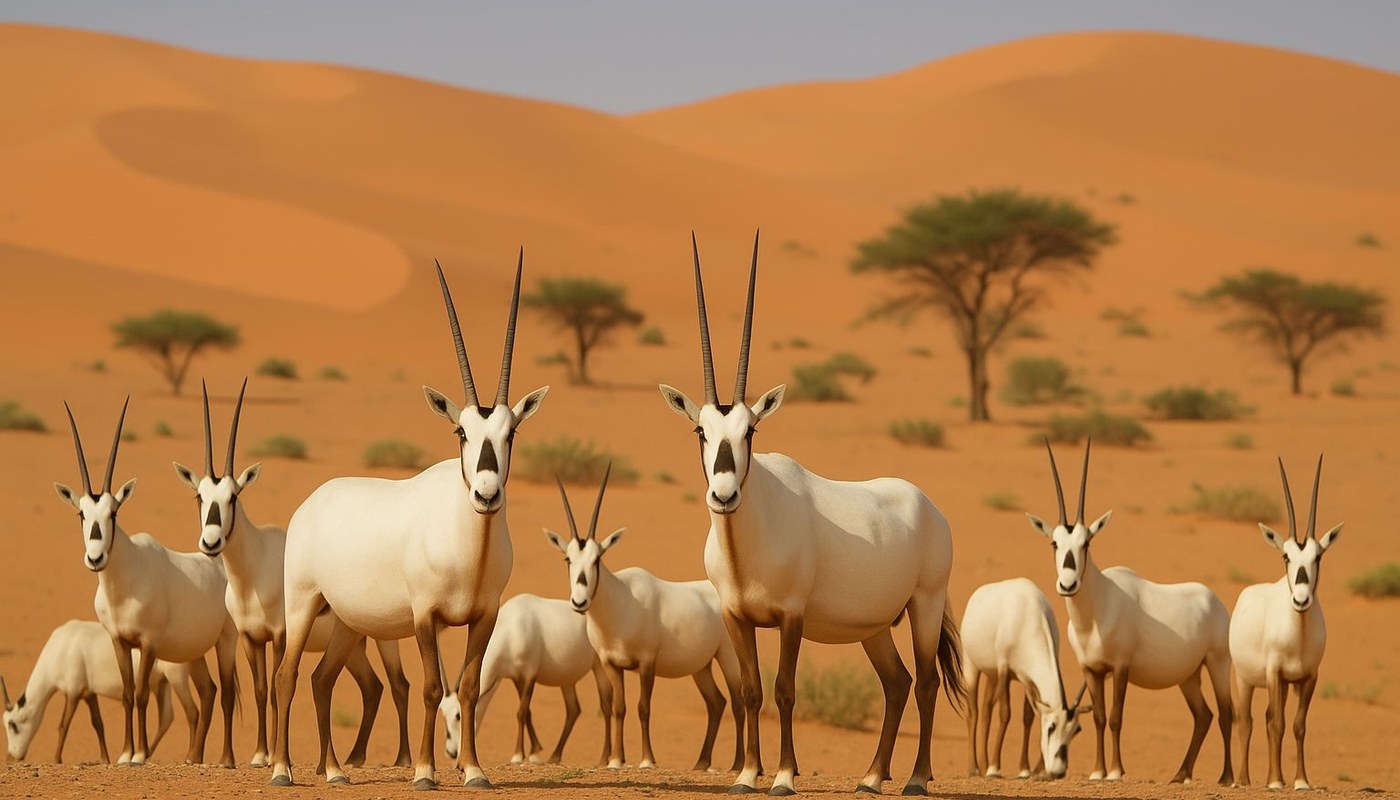
Embryo is partnering with Almaha Reserve (مؤسسة المها الوضيحي) — a wildlife reserve in Al-Kharj, around 80 km south of Riyadh — to bring conservation genomics to the management of its herds. The Arabian oryx is one of conservation's great recoveries; keeping it recovered is a genetic problem as much as a habitat one.
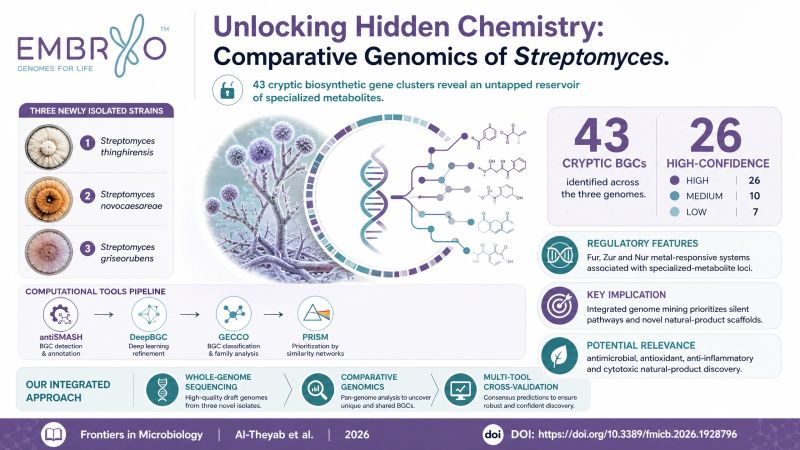
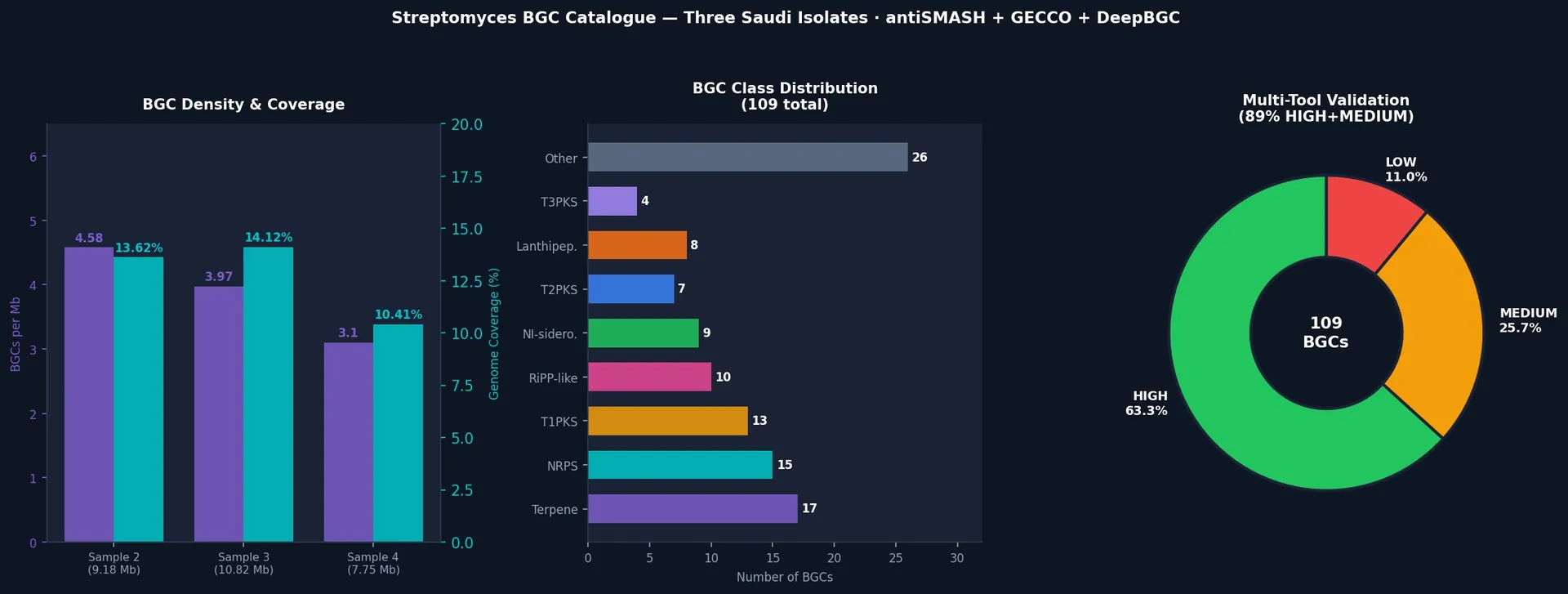
Our new paper in Frontiers in Microbiology reports 43 cryptic biosynthetic gene clusters across three newly isolated Streptomyces strains — 26 of them high-confidence — plus the metal-responsive regulators (Fur, Zur, Nur) tied to specialised metabolite loci.
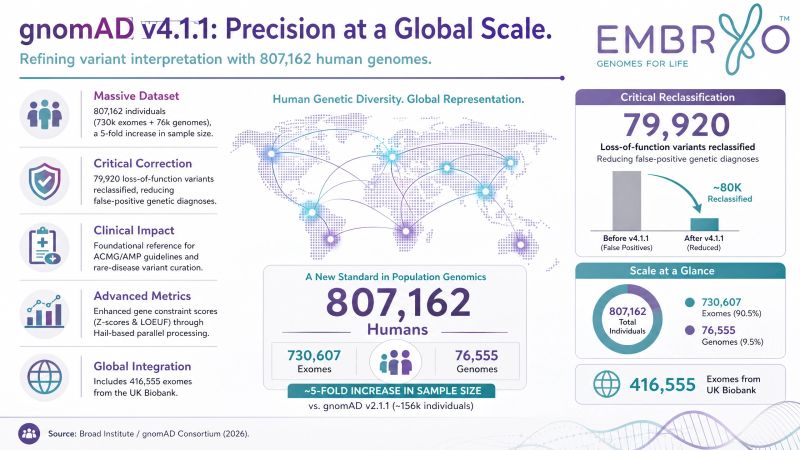
The Broad Institute's gnomAD v4.1.1 release spans 807,162 individuals and reclassifies 79,920 predicted loss-of-function variants that were likely false positives. Better population data is how labs tell a rare-but-harmless variant from one that actually causes disease.
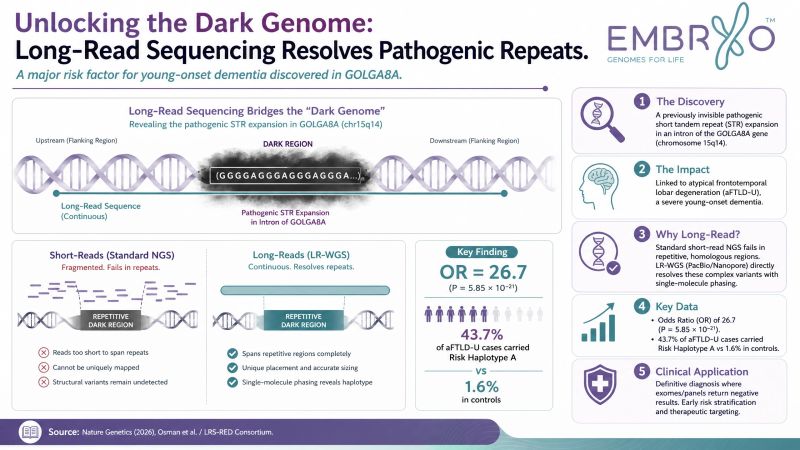
A Nature Genetics study resolves a pathogenic intronic repeat expansion in GOLGA8A linked to young-onset dementia — an odds ratio of 26.7, and a variant standard short-read NGS routinely misses. A case for long-read sequencing in the diagnostic odyssey.
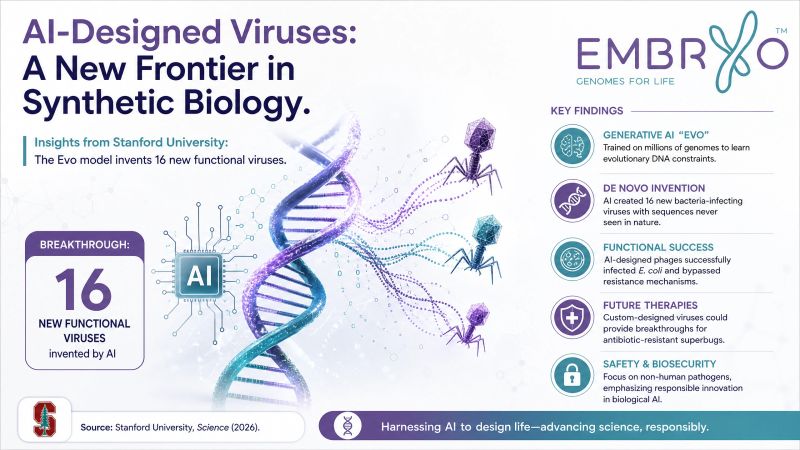
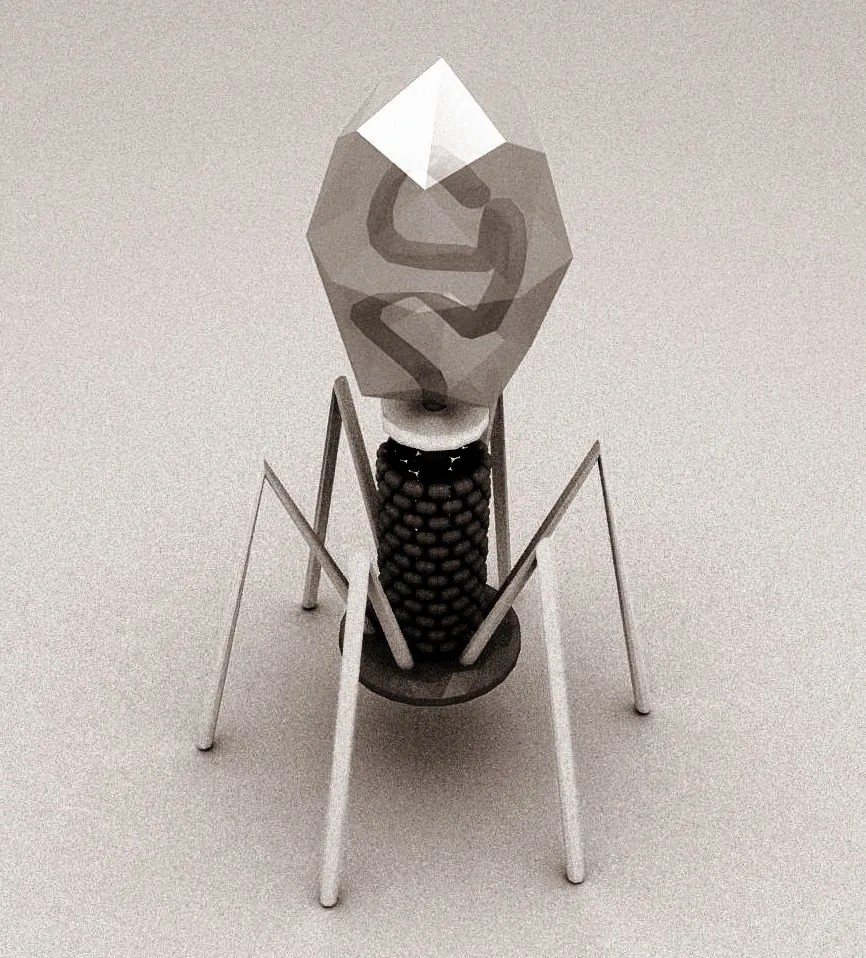
A Stanford study in Science reports that the generative model Evo designed 16 new functional bacteriophages — sequences found nowhere in nature — which went on to infect E. coli and bypass its defences. A possible route to custom therapies for resistant bacteria.
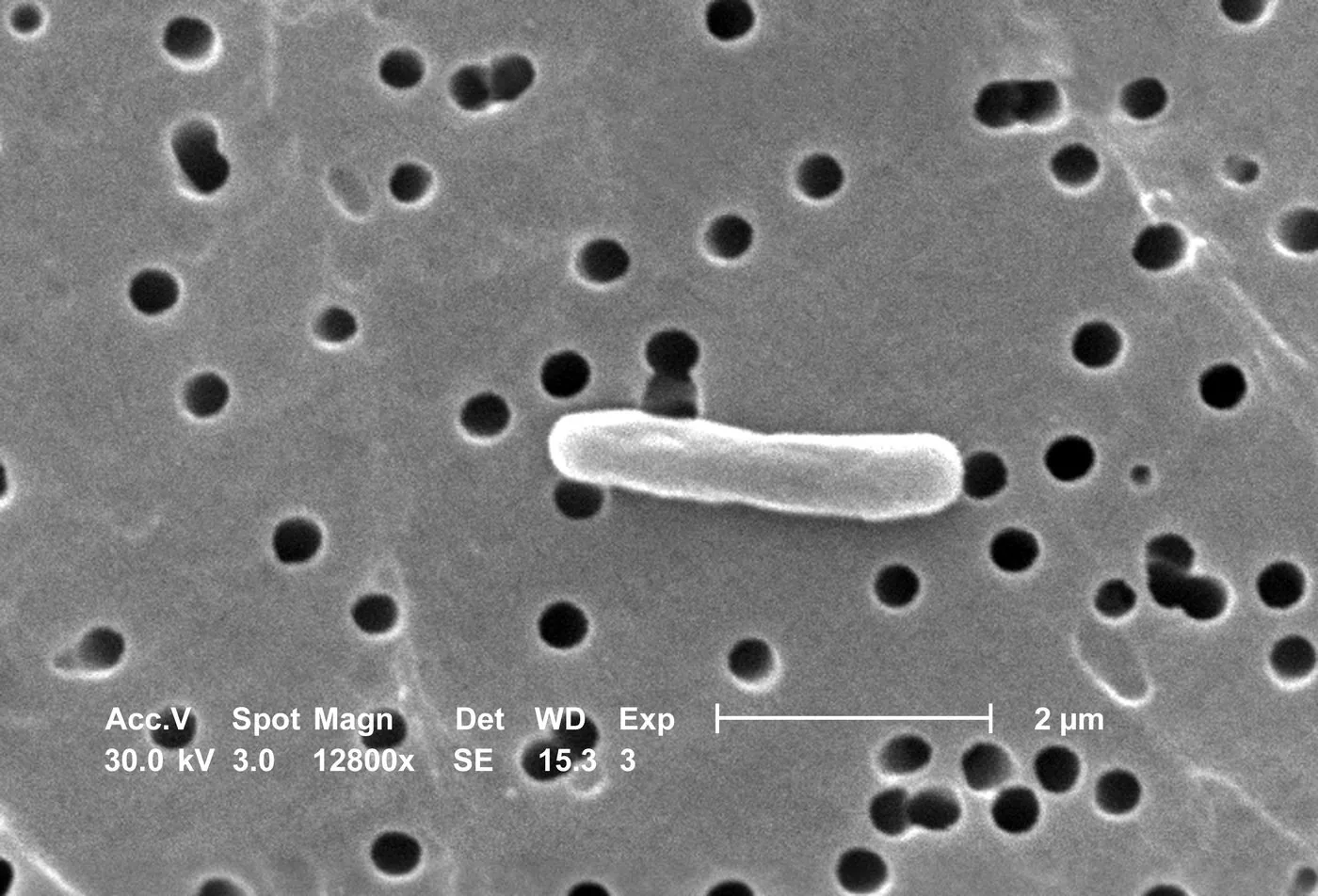
Ten E. coli isolates sequenced on Illumina NovaSeq (fastp → SPAdes → QUAST/BUSCO/Prokka). Eight isolates publication-grade (N50 171–423 kb). Pipeline produces regulatory-grade dossiers for serotyping, AMR profiling, virulence screening, and outbreak attribution.
Three Saudi-led Streptomyces genomes mined with antiSMASH 7.0 + GECCO + DeepBGC yield 109 BGCs across 3.6 Mb of biosynthetic DNA — 89% multi-tool validated, including a 163.6 kb 5-class hybrid cluster (NRPS + T1PKS + terpene + NRP-metallophore + NRPS-like).
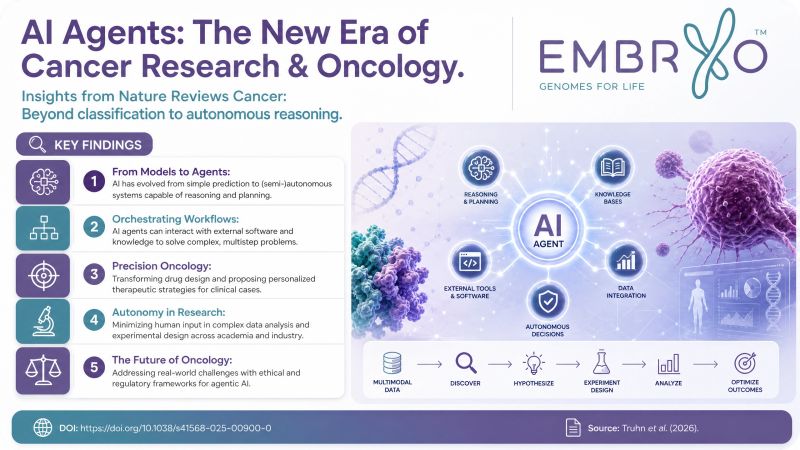
A Nature Reviews Cancer article describes the shift from predictive models to semi-autonomous AI agents that reason, plan and orchestrate multi-step workflows — interacting with external tools to optimise drug design and propose personalised therapeutic strategies.
A study in Bioinformatics and Biology Insights traces how the terpene synthase family expanded in Coffea arabica through tandem duplication, staying under purifying selection while gaining tissue- and stage-specific regulation during seed development. Congratulations to Makarim Osman.
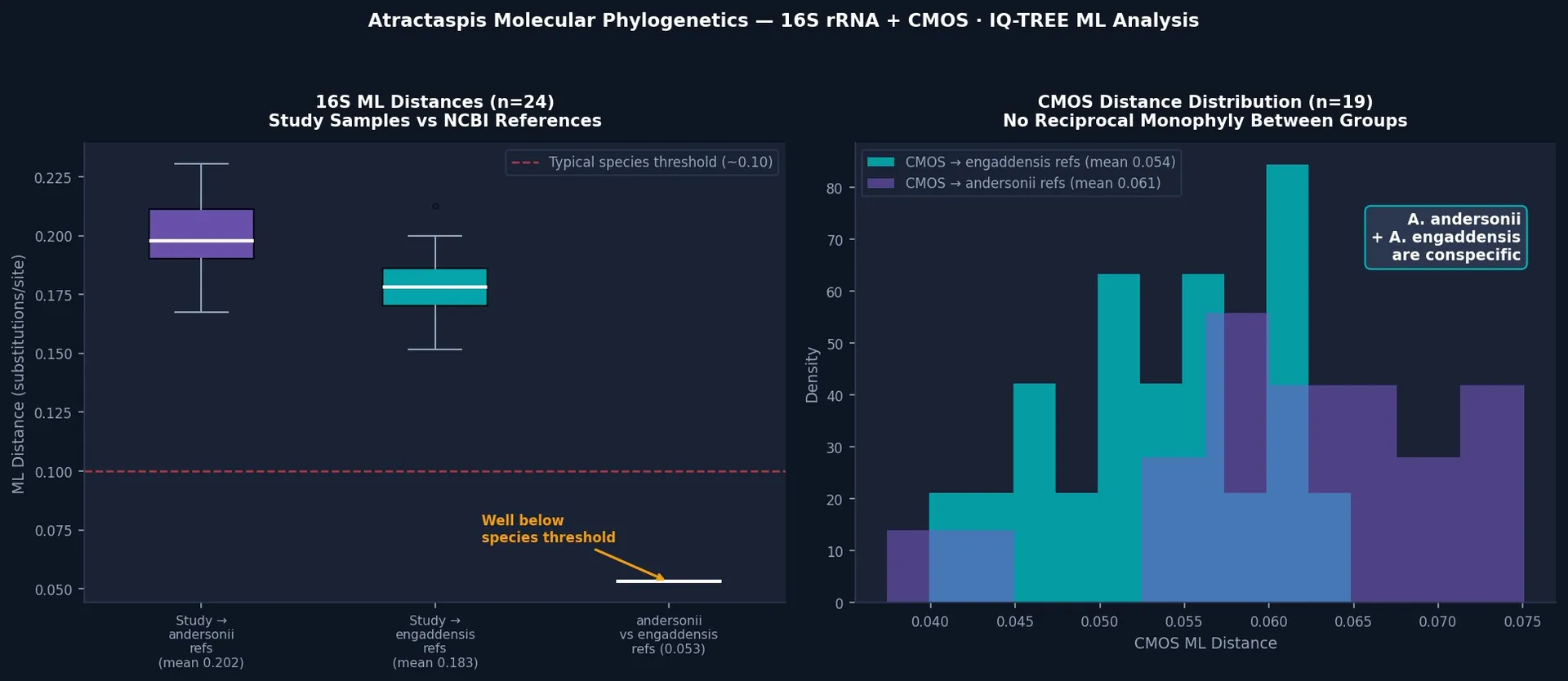
16S rRNA + CMOS maximum-likelihood phylogenetics (IQ-TREE, n=25) supports A. andersonii and A. engaddensis as conspecific — inter-species ML distance only 0.053, below the species threshold. Implications for Saudi antivenom design and NCW protected-species lists.
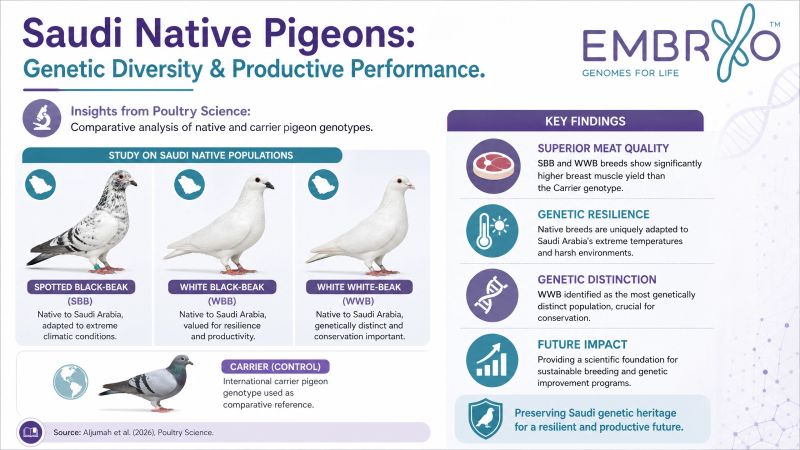
A Poultry Science study from Qassim University compares native Saudi pigeon genotypes with the global Carrier breed. The native Spotted black-beak and White white-beak lines show higher breast muscle yield and better adaptation to the Kingdom's conditions.
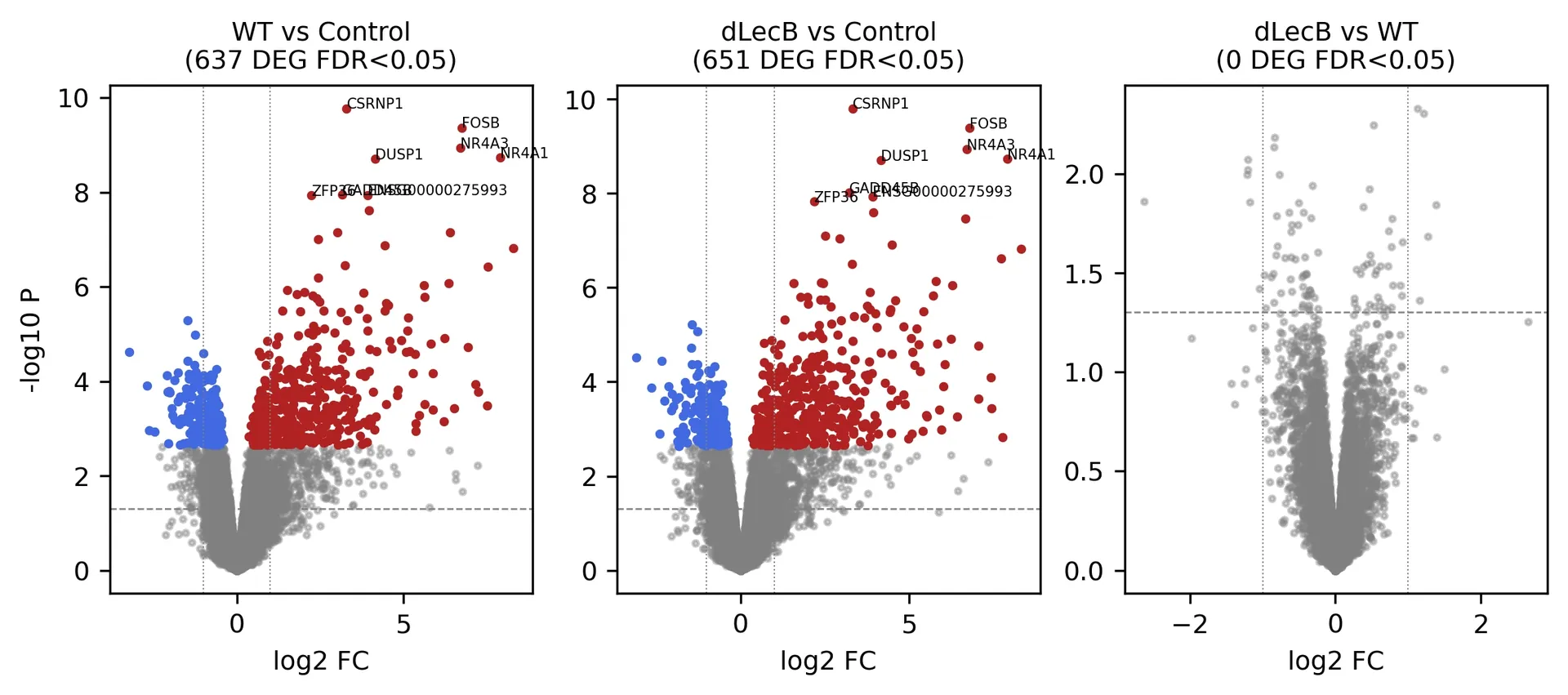
Host RNA-seq of monocyte-lineage cells exposed to wild-type vs ΔlecB Pseudomonas aeruginosa (9 libraries, GRCh38). Both strains remodel the transcriptome identically — 0 DE genes separate them (edgeR FDR<0.25; PERMANOVA p=0.89) — and the infection drives a classic LPS-type M1 inflammatory program.
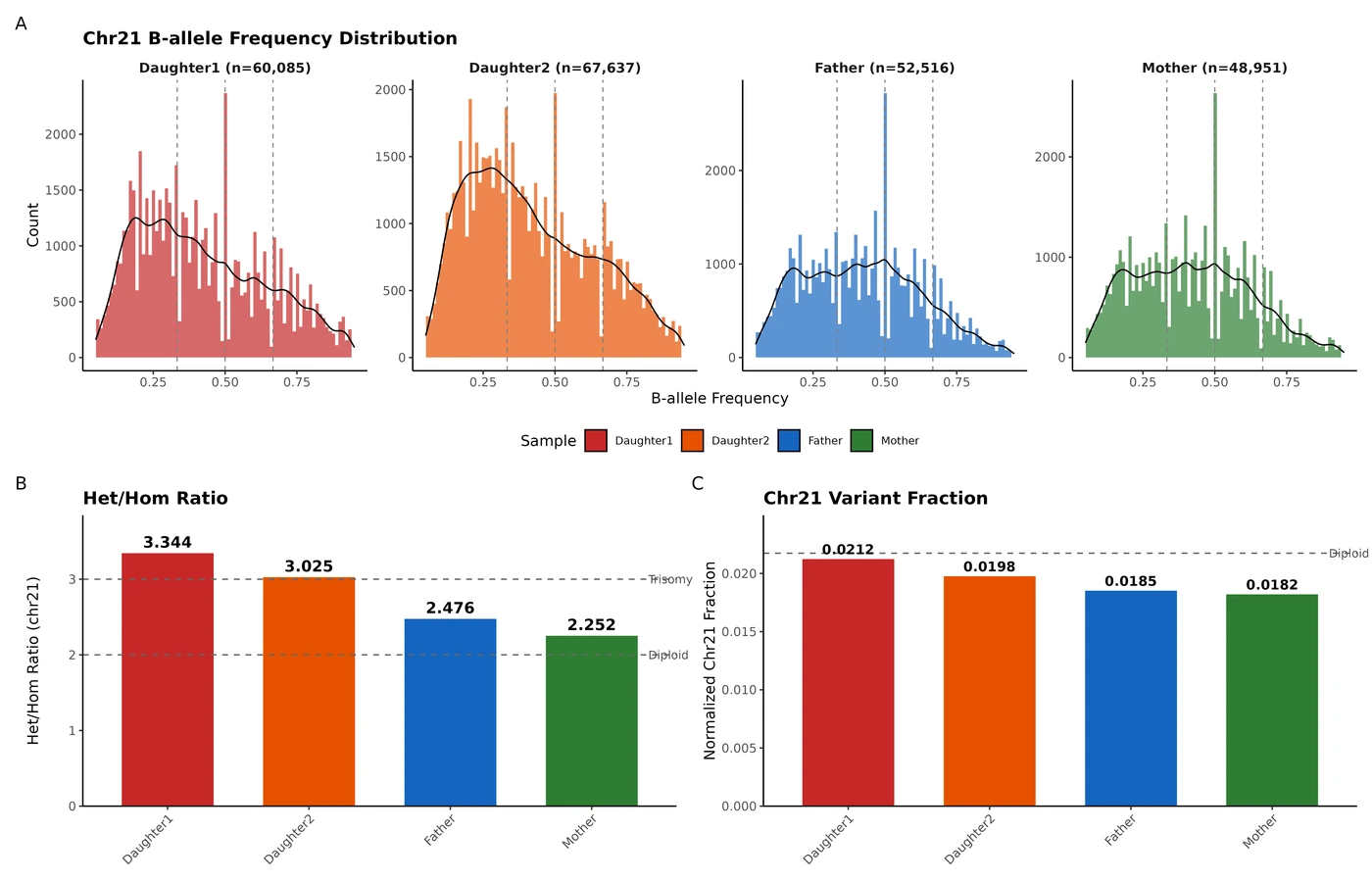
Integrated whole-exome (n=22) and whole-genome (family quartet) sequencing builds an oligogenic model of why CHD develops on the trisomic background. NOTCH1 leads the candidates (homozygous p.Asp1698Ala), while chr21 HMGN1 acts through gene dosage, not coding mutation. Trisomy confirmed directly from Het/Hom ratio.
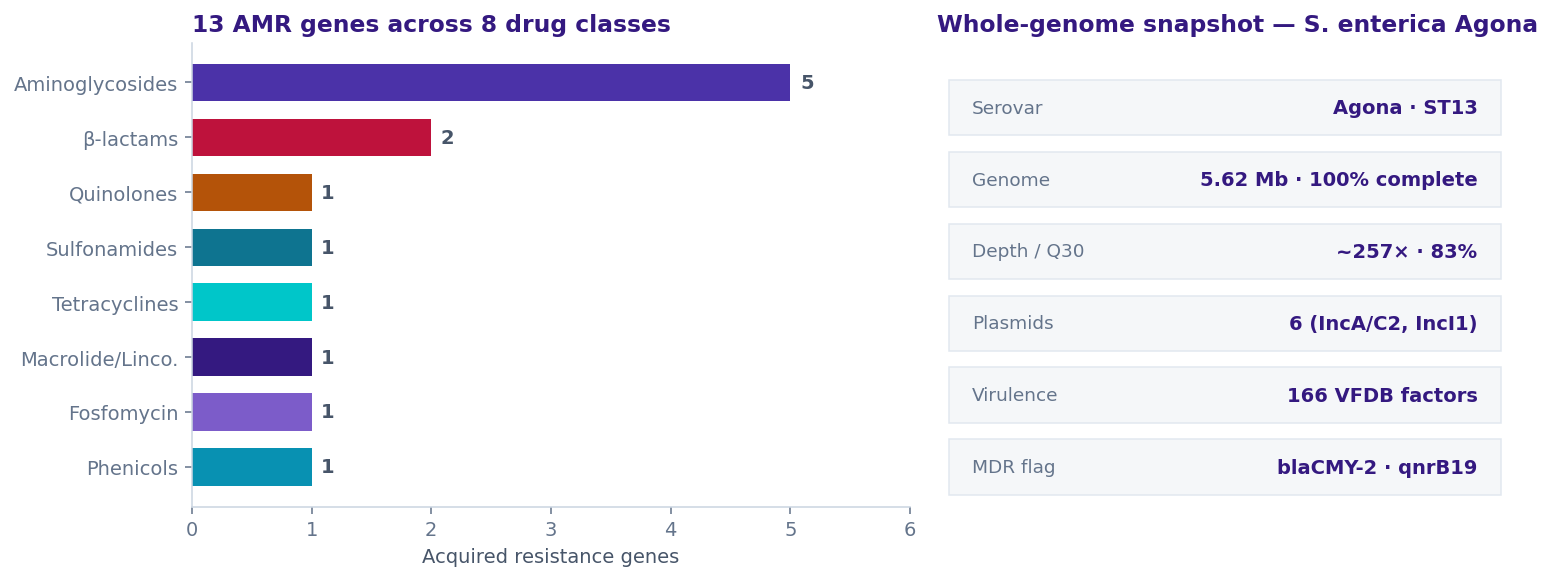
End-to-end bacterial WGS of S. enterica serovar Agona (SAL8): 5.62 Mb genome at ~257x, serovar confirmed three ways (SeqSero2/SISTR/MLST ST13), a multidrug-resistant genotype (13 AMR genes across 8 classes incl. blaCMY-2 & qnrB19), 6 plasmid replicons and 166 virulence factors — one interpreted report.
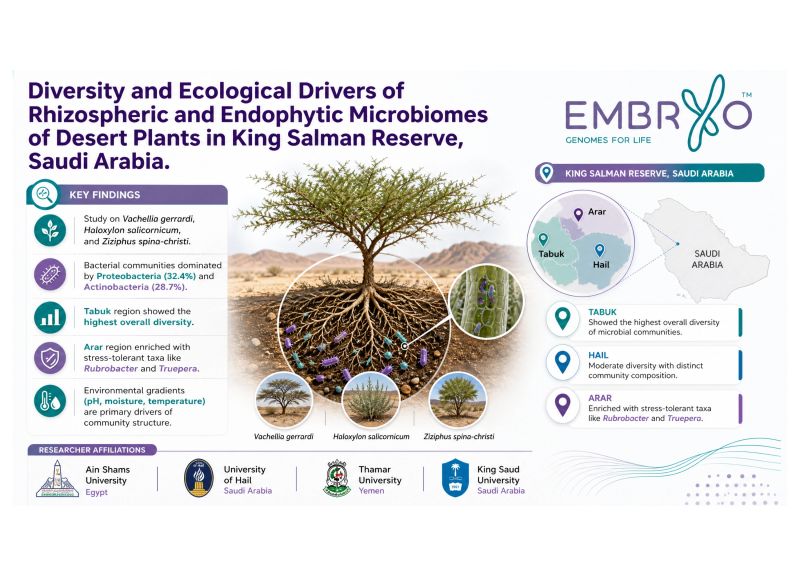
Rhizospheric and endophytic microbiomes of three native desert plants — Vachellia gerrardi, Haloxylon salicornicum and Ziziphus spina-christi. Proteobacteria and Actinobacteria dominate; Tabuk showed the highest diversity and Arar the stress-tolerant taxa.
Native desert plants in the King Salman Reserve carry a rich, stress-adapted microbiome. New research maps the rhizospheric and endophytic bacterial communities of three iconic Saudi species — and finds environment, more than plant identity, shapes who lives there.
We are thrilled to welcome Mathew Simenc — a bioinformatics and computational-biology specialist bridging data science with advanced plant biology — to the Embryo team as a consultant on our genomics projects.
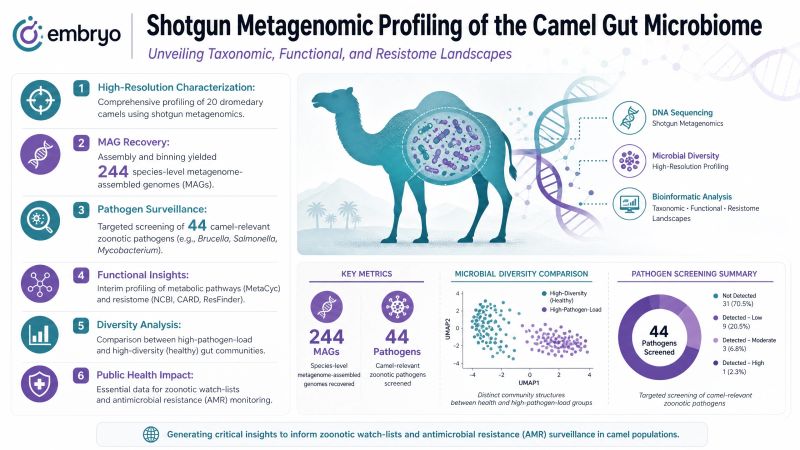
Our interim report on the dromedary gut microbiome: 244 species-level metagenome-assembled genomes recovered, and targeted screening for 44 camel-relevant zoonotic pathogens including Brucella and Salmonella — a baseline for regional AMR and zoonotic surveillance.
Bacterial WGS pipeline (SPAdes assembly, GTDB-Tk classification, Prokka annotation, BUSCO ≥99%, TYGS/fastANI species delimitation) flags isolate ADD-10 as a putative novel Arthrobacter species — below the 95% ANI threshold against all type strains.
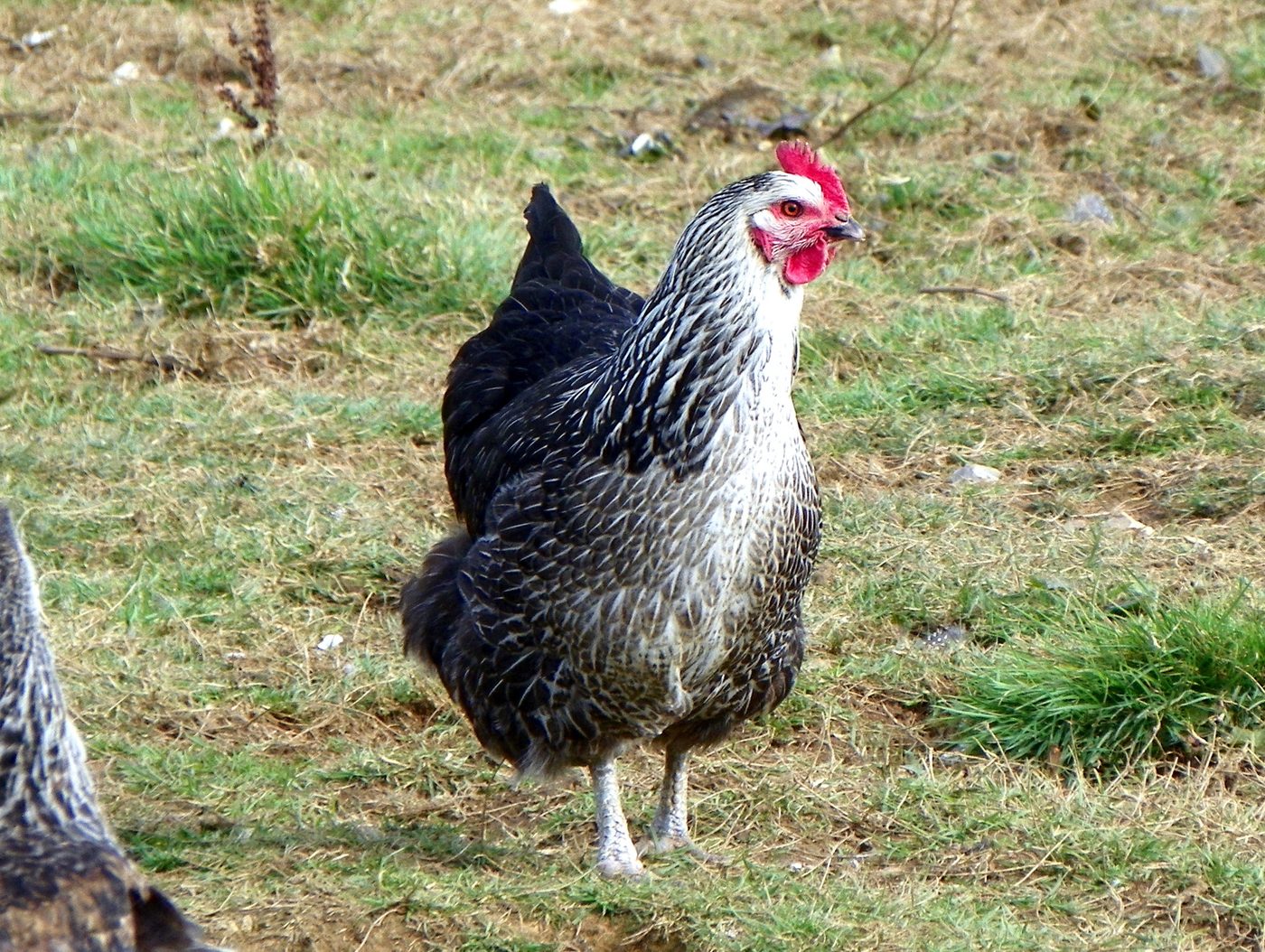
Comprehensive genomic characterization of the Saudi local chicken breed (CHE) — mapping population structure, inbreeding coefficients, LD decay patterns, and positive selection signatures to inform conservation and selective breeding programmes.
Whole-genome characterisation of bacteriophage PH-1 (Tequatrovirus pss1): 168.9 kb dsDNA genome, 274 ORFs, clean safety screen across 7 databases (zero virulence, AMR, or integration markers). A candidate for food-safety and public-health phage-biocontrol applications.
At Embryo, we are building the Arabian Peninsula's most comprehensive dromedary genomic repository — 1,273 individuals distributed across 7 Saudi breeds, 7.15 million SNPs, and 32 peer-reviewed publications. We are actively inviting researchers, universities, and government agencies to join this mission.
Click here If you are interested in embryo technologies, genetic services, or laboratory support, you can now submit your request directly through our service form. Simply select the service…
Saudi Arabia's dedicated plant genomics platform providing NGS services for crop improvement, seed quality certification, and agricultural sustainability — GBS, RNA-seq, ACRAD pipeline, and Vision 2030-aligned food-security reporting.
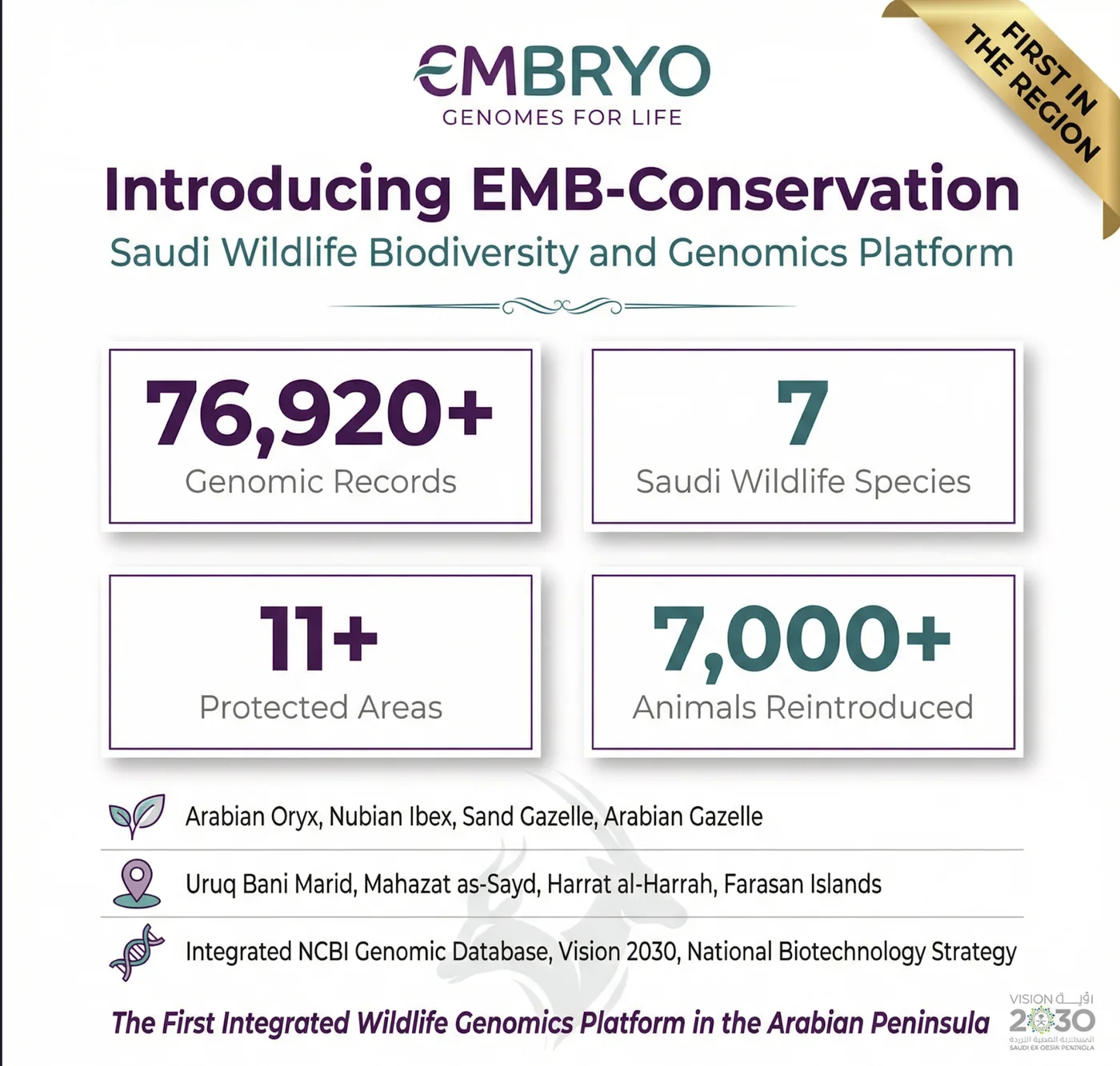
Saudi Arabia's first integrated conservation genomics dashboard: 10 iconic species, 594 NCBI genomic records, 16 NCW-designated reserves, and 6 active national conservation programmes — aligned with Vision 2030's 30% protected-land target.
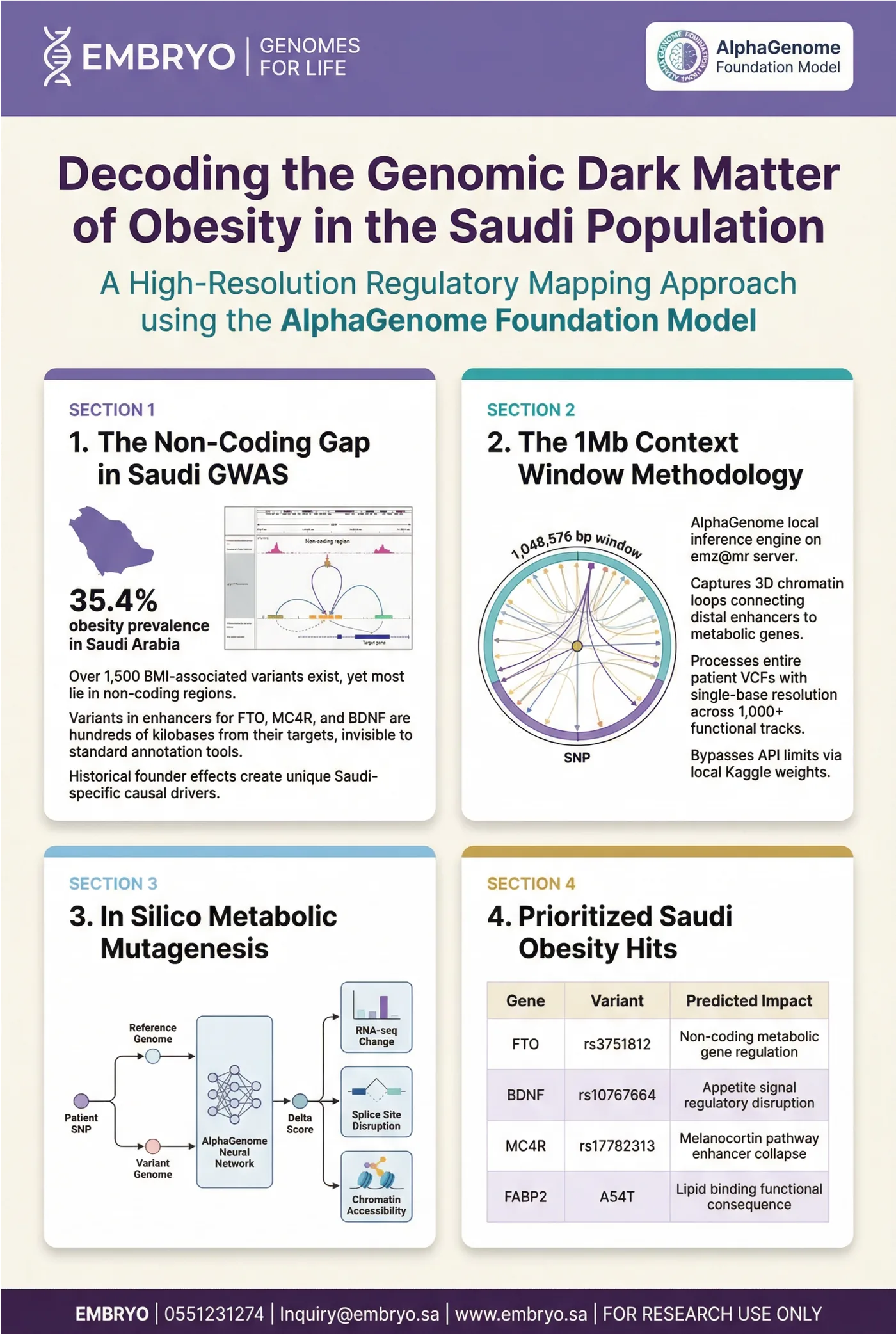
High-resolution regulatory mapping of 1,500+ BMI-associated variants in the Saudi population using AlphaGenome (Google DeepMind). A 1 Mb sequence window decodes long-range chromatin-loop disruptions at FTO, MC4R, and other master-regulator loci — genomic dark matter made visible.
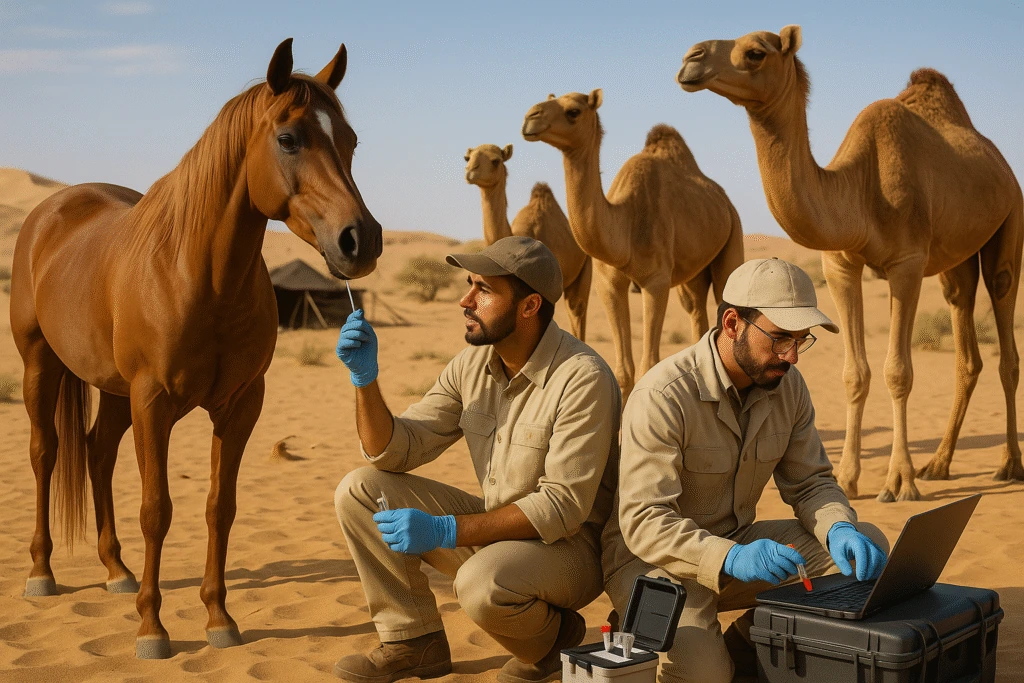
The future of equine and camelid excellence lies in understanding their DNA. The Genetic Legacy of Desert Champions — in the golden sands of Saudi Arabia, two magnificent species have shaped civilization and culture for millennia.
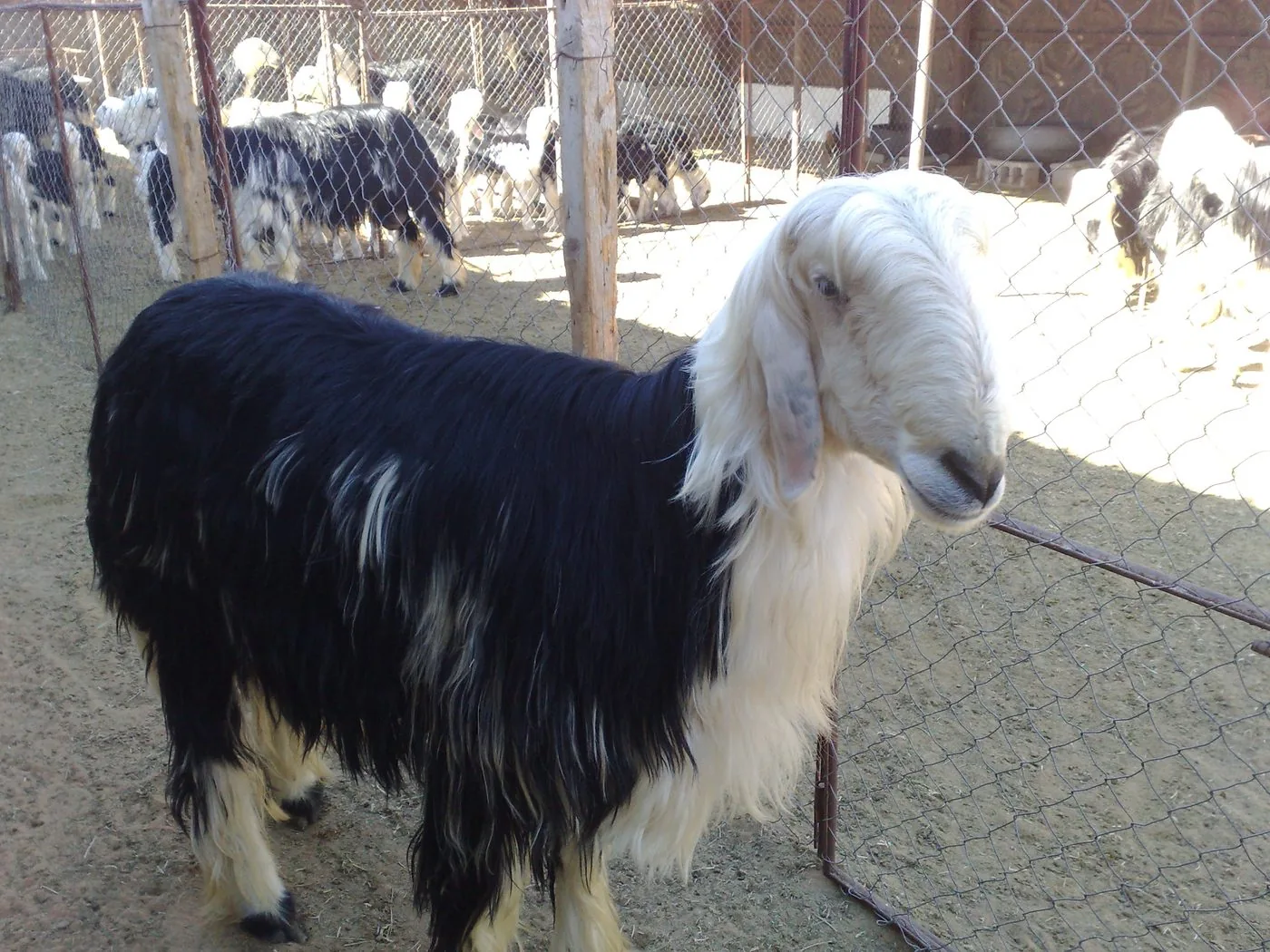
First genome-wide SNP analysis (OvineSNP50, 34,026 SNPs) of three indigenous Saudi breeds — Najdi, Naemi, and Harri (n=95). Najdi shows the highest genetic isolation (FST=0.107 vs Naemi) and inbreeding (F_ROH=0.053, Ne=3.30), underscoring urgent conservation need. Published in Frontiers in Genetics, 2025.
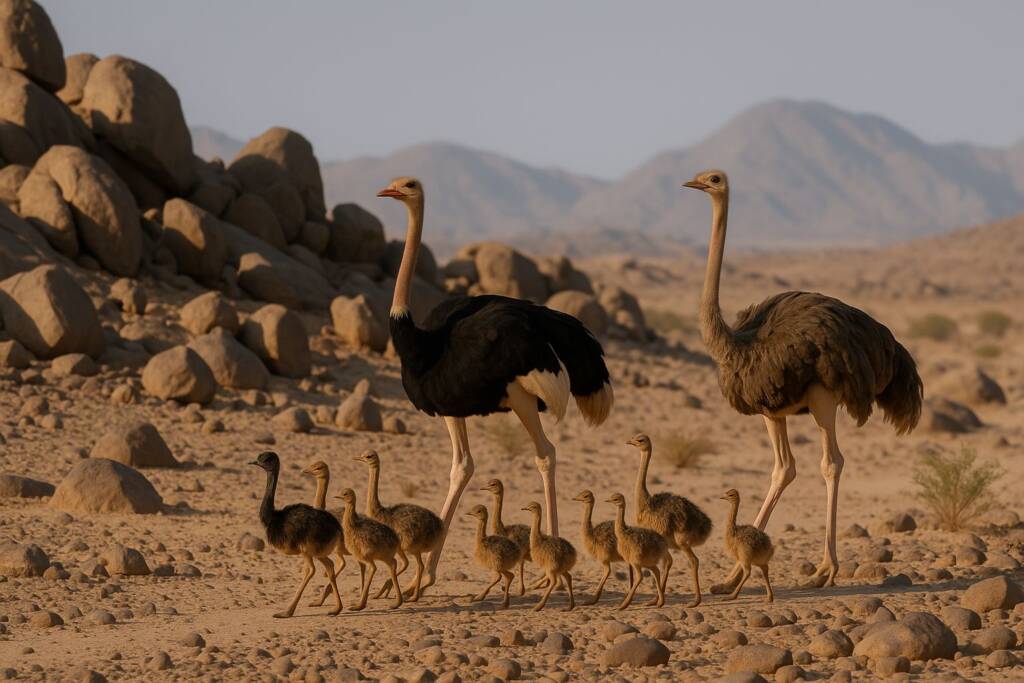
Unlocking the genetic secrets of North Africa's magnificent red-necked ostrich. The red-necked ostrich (Struthio camelus camelus) represents one of nature's most extraordinary examples of genetic heritage.
Agriculture has always been the foundation of human civilization — but in the 21st century, it is being transformed by science. Genetic testing has emerged as one of the most powerful tools reshaping food systems and sustainability.
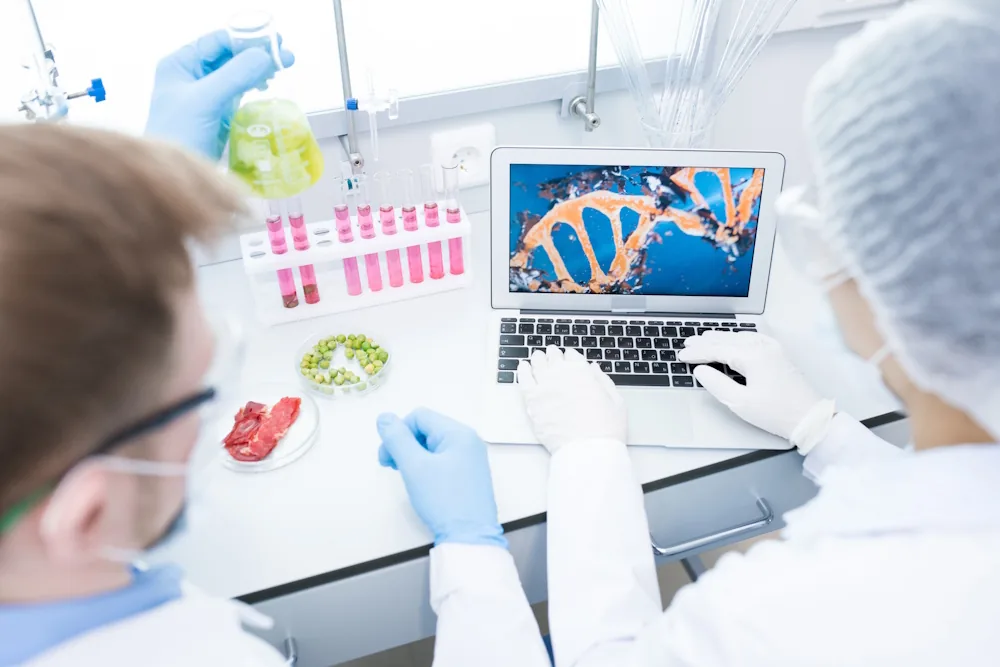
In today's rapidly evolving world, biotechnology has become one of the most transformative fields of modern science. From agriculture to conservation, its impact is reshaping how we understand and manage life.
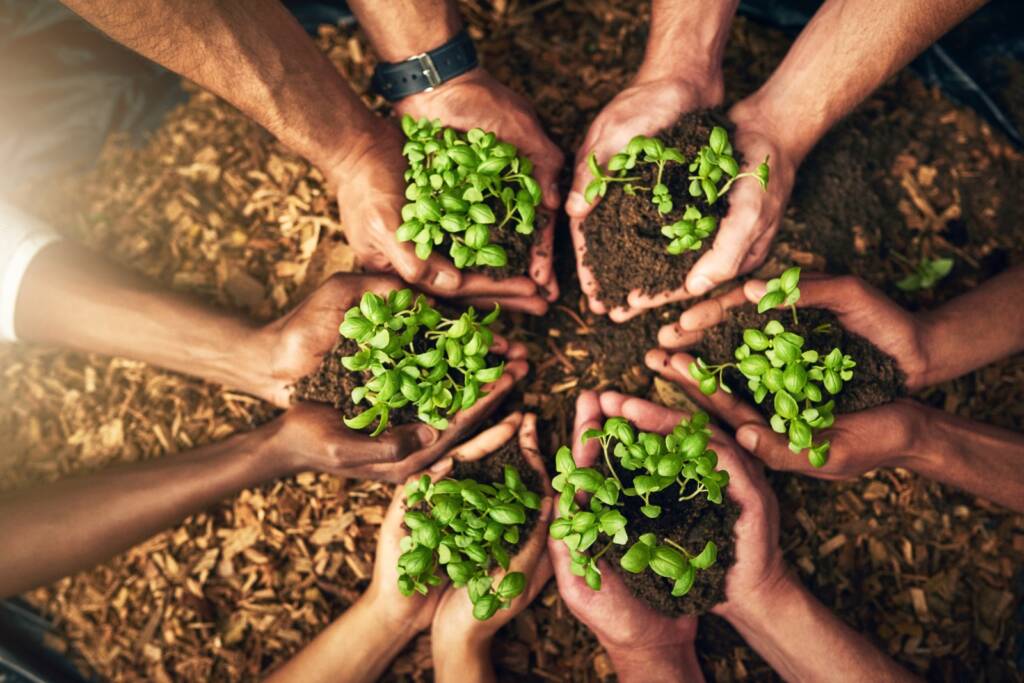
In an age where population growth, climate change, and limited natural resources challenge global food systems, biotechnology has emerged as a cornerstone of sustainable agriculture.
A comprehensive multi-source pathogenicity classification system integrating ClinVar, HGMD, gnomAD, and functional prediction tools to score 50 priority candidate variants — delivering ACMG-aligned evidence tiers for clinical reporting.
Shotgun metagenomics applied to 30 pediatric stool samples alongside multiplex PCR revealed clinically actionable findings the panel missed — including VRE in a neonate — demonstrating the superior sensitivity of culture-independent genomic surveillance.
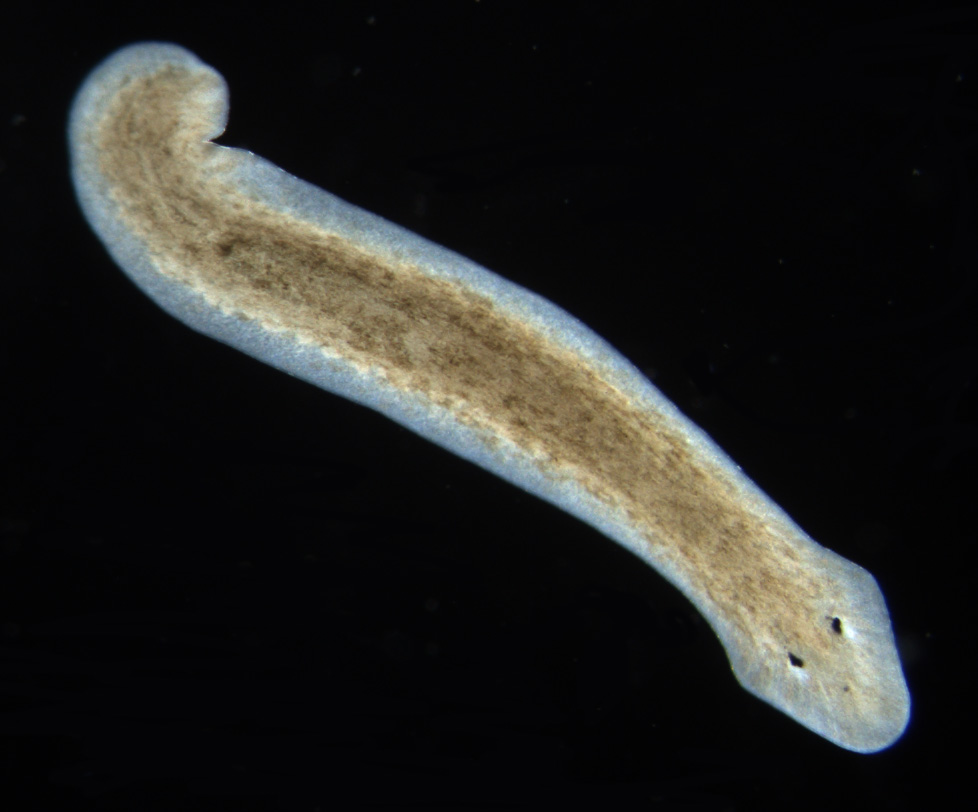
First genomic sequencing of Dugesia arabica — a novel planarian isolate endemic to the Al-Baha region of Saudi Arabia — establishing a genomic baseline for this regeneration model organism and the first molecular description of a Saudi-endemic planarian.
Computational CRISPR-Cas9 guide RNA design pipeline for the Coffee86 target — on-target efficiency scoring with Rule Set 2 and DeepCRISPR, off-target prediction via Cas-OFFinder, and a ranked candidate selection report ready for experimental validation.
As global demand for safe, sustainable, and high-quality animal products continues to rise, the health of livestock has become a cornerstone of agricultural success.